Arlit: Deuxième Paris

Ways to Watch
Educational Streaming
Recommended for Colleges, Universities, Government Agencies, Hospitals and Corporations
Community Screening
Short-term use for small groups, organizations, or high school classes (where no admission is charged)
Home Viewing
48-hour, personal rental for in-home use only, restrictions apply
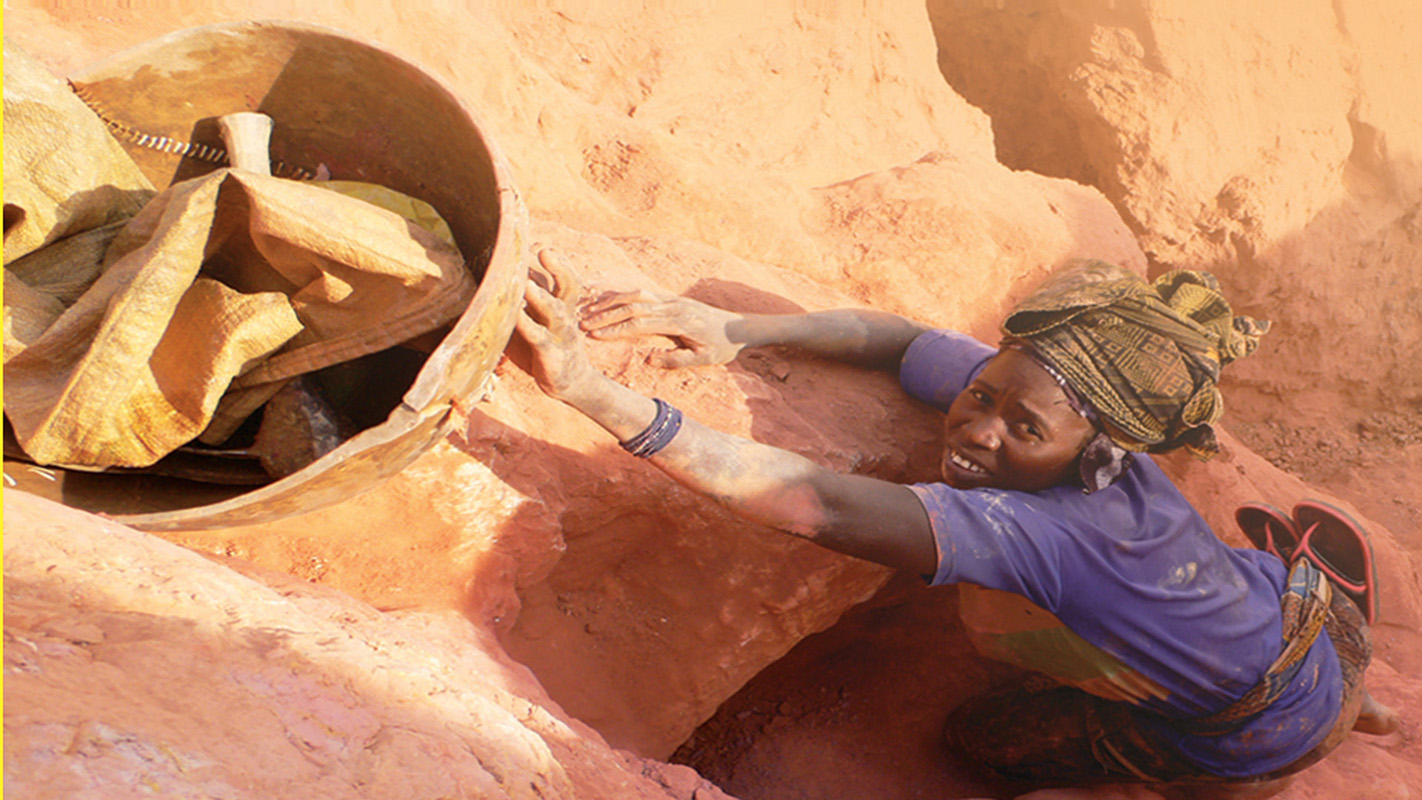
Arlit is a case study in environmental racism set in a uranium mining town in the Sahara desert of Niger. Here European corporations extract nuclear power and profits leaving behind disease, contamination and unemployment. Ironically the primary activities of Arlit long invovled waiting to die of radiation-related sicknesses or to emigrate to find work in Europe itself.
Arlit was once a boom town. During the oil crunch of the early 1970s its uranium mines flourished, eventually employing 25,000 workers from around the world in high-paying jobs. Arlit was alive 24 hours a day, with frequent international flights and nightlife, earning it the nickname, "le deuxiéme Paris." Then came the collapse in uranium prices and the Tuareg rebellion against the central government in Niamey more than 500 miles to the southwest. Arlit became a shadow of its former self. When there was nothing more which the Europeans wanted they abandoned the town leaving behind the derelict machinery littering the desert which is so memorable an image in the film. Arlit demonstrates the ultimate bankruptcy of overseas investment in commodity-based industry as a strategy for development.
While filming his last film Si Gueriki (The Queen Mother) director Idrissou Mora Kpai met Issa, an old man, who had put him up in Arlit on his own way to Europe seventeen years earlier. Now Issa was returning to Arlit to say goodbye to his friends and Mora Kpai decided to use this farewell visit as a loose structure for a new documentary. The film has no narration, only the words of Arlit's inhabitants reflecting on their dreams and frustrations.
One theme which comes up repeatedly is how many people have died of mining-related illnesses: silicosis, asthma, lung and liver cancer. Just as in this country, company doctors blithely deny any connection between poor occupational safety and health conditions and their workers' illnesses; they blame 99% of the deaths on smoking and AIDS. But the workers are not deceived and also notice the different levels of health care given to European and African employees.
Even more disturbing is the legacy of lingering radiation. Slag heaps and open-face mines sat perilously close to the town, with radioactive machinery is abandoned everywhere. The companies even gave contaminated parts to the workers as bonuses, which they then recycled as kitchen utensils and water pipes. Thus the damage was passed down from generation to generation.
What struck one most about Arlit was its reality as a place of waiting, where many lived in the hope of going somewhere else. While the nomadic Tuareg once led caravans of slaves, salt, and spices across the Sahara, many turned to smuggling desperate Africans on the dangerous journey across the Ténéré desert to Tamanrasset in Algeria, from where they hoped to pursue the uncertain life of undocumented immigrants in Europe.
"Perfectly encapsulating the wonder of the desert as well as the ennui of emptiness, Arlit is compelling..."
Variety
"The film depicts with unremitting clarity, the costs of development, and how a once vibrant place has become the end point for many illegal immigrants desperately in search of a better life. A withering indictment and a powerful exploration of the dream world of underdevelopment."
Michael Watts, University of California-Berkeley
"The film’s message is the utter lack of consideration of environmental degradation and value of human life on the part of multination firms that extract Africa’s resources, leaving people and places stranded and helpless in their wake."
Sandra T. Barnes, University of Pennsylvania
"A magnificently beautiful and alarming film which provides a glowing account of the extent to which investment in the extractive sector in Africa can have catastrophic implications for the communities and countries concerned. The questions which remain to be addressed are urgent: Who is happening? Who is responsible? What can be done?"
Bonnie Campbell, University of Québec-Montreal
Arlit: Deuxième Paris
Citation
Related Titles